Oral-B Pro 1000 vs iO Series 3: Which to Buy? (November 2026)
The Oral-B Pro 1000 wins for most readers: it covers the core clean and scores 9.7. Pick the iO Series 3 (8.6) if you want the iO sensor and travel case.
On this page (10 sections)
- Oral-B Pro 1000 vs iO Series 3 at a glance
- Modes: 3 each, but aimed differently
- Pressure sensors: how each brush protects your gums
- Brush heads and running costs
- Timers and feedback on the handle
- Travel, charging and what comes in the box
- Size, grip and handling
- Who should buy which
- What about Sonicare?
- Verdict: which Oral-B should you buy?
The Oral-B Pro 1000 wins for most readers. In the oral b pro 1000 vs io series 3 choice, the Pro 1000 scores 9.7 against 8.6 for the iO Series 3, and it covers the core clean with three modes, gum pressure control and a quadrant timer.
The iO Series 3 still has a place. Pick it if you travel and want a case, or if you want the smart iO sensor and light ring timer on the handle.
Both are rechargeable Oral-B handles, so the real gap is in feedback, included items and brush head fit. This comparison works through each one.
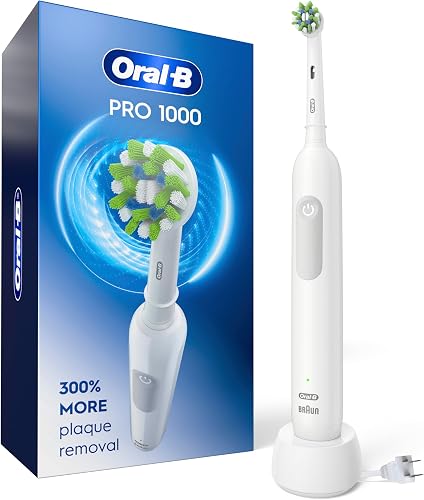

Oral-B Pro 1000 vs iO Series 3 at a glance
The Pro 1000 is the practical pick, and the iO Series 3 is the upgrade for travel and sensor feedback. Here is how the two brushes differ on the points that change daily use.
| Feature | Oral-B Pro 1000 | Oral-B iO Series 3 |
|---|---|---|
| Cleaning modes | 3 | 3 (Daily Clean, Sensitive, Whitening) |
| Pressure feedback | Gum pressure control stops pulsations | Smart iO sensor alerts you |
| Timer | Quadrant timer, 30-second prompts | Light ring timer, 2 minutes |
| Brush heads | Standard Oral-B heads | iO replacement heads |
| Battery | Lithium polymer | Lithium ion |
| In the box | Handle and charger | Handle, charger, travel case, 2 heads |
| Our score | 9.7 | 8.6 |
The table shows how close these brushes are on paper. Both run 3 modes, both watch your pressure, and both time your brushing.
The differences sit in how each brush tells you things and what comes in the box. Those are the reasons to pay more or to stay with the simpler handle.
If you want the fuller picture of how the iO family stacks up against the standard line, our oral b io vs pro 1000 comparison covers the range.
Modes: 3 each, but aimed differently
Both brushes give you 3 modes, so neither wins on count. The names and the way you use them matter more than the number.
The Pro 1000 lists a sensi cleaning mode alongside its other settings, so you can ease off on tender days. The iO Series 3 names its three as Daily Clean, Sensitive and Whitening.
For most people, Daily Clean does the work and the other two are there for specific days. A whitening mode on the iO suits someone who wants a dedicated setting for stain removal sessions.
Neither brush offers a deep clean mode as a separate setting here. You get the three named modes and the brush head you fit determines the rest.
What the sensi mode does for you
Sensi mode softens the brushing action for days when your gums feel tender. The Pro 1000 pairs it with gum pressure control, so pushing too hard still stops the pulsations.
The iO's Sensitive mode is one of its three main settings. On both brushes, the mode is a comfort option rather than a treatment, so see a dentist for ongoing gum problems.
Whitening as a separate setting
The iO Series 3 puts Whitening in its mode list, so you can switch to it without changing heads. The Pro 1000 relies on a whitening brush head for that job, sold separately.
If whitening is a regular part of your routine, the iO's dedicated mode is a small convenience. If it is occasional, a whitening head on the Pro 1000 does the same job.
Pressure sensors: how each brush protects your gums
The Pro 1000 stops its pulsations when you press too hard, and the iO Series 3 adds a smart sensor that alerts you. Both aim to cut down on harsh scrubbing.
Gum pressure control on the Pro 1000 is automatic. Push the head into your gums and the brush quiets its pulsations until you ease off, which gives you a clear signal through the handle.
The iO sensor does the same job with more feedback. It watches your pressure and alerts you when you press too hard, so the correction is more visible than a drop in vibration.
Neither brush replaces a checkup. If your gums bleed often, book a dental visit rather than relying on a sensor.
What the iO sensor adds
The iO's smart sensor is the main reason to step up from the Pro 1000. It signals overpressure in a way you can see and feel, which helps if you tend to scrub without noticing.
The brand says the sensor supports healthier gums in a week. That is a claim, so treat it as a reason to brush gently, not a promise.
What the Pro 1000 gets right
The Pro 1000 does the same protective job with less fuss. It stops the pulsations when you press, so you feel the brush change and ease off.
For many people that is enough. You do not need an alert if the handle already tells you through its vibration.
Brush heads and running costs
The Pro 1000 takes the standard Oral-B brush head range; the iO Series 3 takes iO heads only. That split matters more than any single feature if you share a bathroom.
Oral-B sells standard heads for the Pro 1000 in deep clean, gentle clean and whitening versions. You can match the head to your needs and swap when your routine changes.
The iO Series 3 uses iO replacement heads, which fit iO handles and not the standard line. The box includes 2 heads, so you start with a small stock.
If one household has both brushes, you will buy two kinds of heads. Keeping them separate in a drawer avoids a mix-up at replacement time.
Which heads to buy for each
For the Pro 1000, a standard head in the style you prefer covers daily brushing. Add a whitening head if stains are your main concern.
For the iO Series 3, buy iO heads. The change alert on the handle tells you when to swap, and the brand advises a new head every three months.
Our Oral-B Pro 1000 review goes deeper on how the heads and modes work together.
Replacement timing
Both brushes expect a new head every 3 months, or sooner if the bristles wear. The iO's refill change alert flags when that time comes.
The Pro 1000 relies on you to track it. Set a reminder on your phone when you fit a new head so the schedule does not slip.
Timers and feedback on the handle
Both brushes time a 2-minute clean, but the iO shows it with a light ring. The Pro 1000 uses its quadrant timer to prompt you every 30 seconds.
The Pro 1000's timer is built into the handle. It alerts you at each 30-second mark so you move to the next part of your mouth and finish at 2 minutes.
The iO Series 3 uses the same 30-second quadrant split with a light ring on the handle. The ring gives you a visual cue, which helps if you brush with the lights low or without your glasses.
Neither timer changes the clean itself. It changes how easy it is to follow the dentist-recommended 2 minutes without counting in your head.
The quadrant timer on the Pro 1000
The Pro 1000 splits the 2 minutes into four 30-second blocks. You feel the alert through the handle and move on to the next zone.
That pattern covers the whole mouth evenly. It is simple and works without you looking at the brush.
The light ring on the iO
The iO light ring timer shows your progress around the handle. You can see the 2 minutes pass without staring at a phone.
A visible timer helps people who rush. It also suits anyone who likes to see feedback while brushing.
Travel, charging and what comes in the box
The iO Series 3 comes with a travel case and 2 brush heads; the Pro 1000 comes with the handle and charger. If you travel often, that case is a real difference.
The iO box pairs the case with a lithium ion battery and the 2 heads. You can pack the brush for a trip without wrapping it in a bag.
The Pro 1000 ships with the handle and charger in a compact body. Its lithium polymer battery is included, so you charge and brush with no extra parts.
Neither brush is described as a travel-specific model. The case is simply included with the iO.
Charging each brush
Both are rechargeable and come with a charger in the box. Fit the handle on the stand between brushes and let it top up.
The batteries differ in type, lithium polymer on the Pro 1000 and lithium ion on the iO. Charge both as the instructions describe rather than leaving a flat handle for weeks.
Packing for trips
A travel case keeps the iO and its heads together in a bag. That is the main practical reason to choose it if you are often away.
For a Pro 1000, a simple pouch works fine. The brush is smaller in the hand and has fewer parts to carry.
Size, grip and handling
The Pro 1000 is the lighter, simpler handle, while the iO Series 3 is the larger brush with more on the handle. Both use round Oral-B heads that reach where rectangular manual brushes do not.
The Pro 1000 measures 2.25 x 4.38 x 10 inches and weighs 3.88 ounces. That makes it easy to hold and to pack.
The iO Series 3 measures 7.01 x 3.94 x 9.96 inches and weighs 1.23 pounds. It is a bigger brush with more built into the handle, including the light ring.
Neither size is a dealbreaker for adults. Try to hold the brush before you commit if grip matters to you.
Which is easier to hold
The Pro 1000 suits people who want a light handle and a straightforward grip. The iO is heavier, so it can take a little getting used to in the first week.
If you have hand strength concerns, the lighter Pro 1000 is the easier start. The iO's feedback may still be worth it for others.
Round heads on both
Both brushes use Oral-B's round head, which the brand says reaches where rectangular manual brushes do not. The shape is the same idea on each handle, though the heads are not interchangeable.
That means the cleaning motion feels familiar when you switch. Only the head fit and the handle feedback change.
Who should buy which
Buy the Pro 1000 if you want a proven daily clean without paying for extras. It has the three modes, pressure control and timer most people need, and scores 9.7 here.
Buy the iO Series 3 if you want sensor feedback and a case for travel. It scores 8.6 and adds the smart sensor, the light ring and 2 heads in the box.
Pick the Pro 1000 if you share a bathroom and want to keep to one type of brush head. Its standard heads cover deep clean, gentle clean and whitening.
Pick the iO if you are away often and want the brush packed properly. The case alone saves you hunting for a bag each trip.
If you have not owned an electric brush before, start with the Pro 1000. It gives you the 2-minute timer and pressure protection without the iO's extra feedback.
If you already use an iO handle, stay with the iO Series 3 to keep your heads. Switching lines means buying a new set of heads.
The case for the Pro 1000
It is the cheaper route to the core clean, and its score reflects that. You get the modes, the pressure response and the timer on a light handle.
You give up the travel case and the iO sensor. For most readers, those are nice extras rather than must-haves.
The case for the iO Series 3
The iO is for someone who wants the brush to tell them when they press too hard. The sensor and light ring make brushing more visible.
The 2 heads and case add value at the start. If you travel and want the iO range's feel, this is the entry point.
What about Sonicare?
If you are still open to a different cleaning style, compare brands before you settle on either Oral-B. Sonicare uses a different brush head and motion, and some people prefer the feel.
Our Oral-B vs Sonicare guide walks through the brand differences, from head shape to the way each brush moves.
The choice between the Pro 1000 and iO Series 3 is a within-Oral-B decision. Check the brand question first if you have not tried an electric brush before.
The iO Series 3's own write-up also helps if you are weighing it against other iO handles. Read the Oral-B iO Series 3 review for the full picture.
Verdict: which Oral-B should you buy?
The Oral-B Pro 1000 is the better buy for most people. On the oral b pro 1000 vs io series 3 decision, its 9.7 score, 3 modes, pressure control and quadrant timer cover the daily clean, and its standard heads are easy to replace.
The iO Series 3 is the right pick if you want the smart sensor, the light ring and a travel case. It scores 8.6 and comes with 2 iO heads, so it suits someone who travels and wants visible feedback.
If you want the simplest path to a good clean, take the Pro 1000. If the iO sensor and case matter to you, the iO Series 3 is worth the step up.
Pick the Pro 1000 for simplicity; pick the iO Series 3 for travel gear and sensor feedback.
Frequently asked questions
Do the Pro 1000 and iO Series 3 use the same brush heads?
No. The Pro 1000 takes standard Oral-B brush heads, while the iO Series 3 uses iO replacement heads.
Stocking both in one household means buying two kinds.
Which brush has better pressure control?
Both warn about hard brushing, but they do it differently. The Pro 1000 stops its pulsations when you push too hard, and the iO Series 3 adds a smart sensor that alerts you.
How long does the battery last on each?
Both run on rechargeable batteries: lithium polymer in the Pro 1000 and lithium ion in the iO Series 3. The iO comes with two brush heads and a travel case for trips.


