Oral-B iO Series 3 Review: Worth It? (November 2026)
The Oral-B iO Series 3 suits adults who want clear timing and pressure cues without choosing a brush around app coaching. Pick the iO5 for app guidance or the Series 2 if automatic slowdown would help you ease a heavy brushing hand.
On this page (10 sections)
- What does the Oral-B iO Series 3 offer?
- Who should buy the Series 3, and who should skip it?
- Is the iO5 worth choosing for app guidance?
- When is the Series 2 the better choice?
- How should you set up the Series 3?
- How do you use the timer and pressure feedback well?
- Which brush heads should you buy, and how do you care for them?
- What mistakes should you avoid before buying?
- Frequently asked questions about the Series 3
- Should you choose the Oral-B iO Series 3?
The Oral-B iO Series 3 is a good fit for adults who want help controlling brushing pressure and spending enough time across their mouth. Its main appeal is a manageable daily routine, with useful cues on the brush itself.
Choose it if you'll act on those cues and want replacement heads included from the start. The iO5 makes more sense for app coaching, while the Series 2 suits someone who wants the brush to slow down when they press too hard.
What does the Oral-B iO Series 3 offer?
The Series 3 combines pressure feedback, timed brushing and a short choice of modes in a rechargeable brush. It's a practical middle choice among these models because its features support daily habits without making app guidance the reason to buy.
Oral-B iO Series 3: Best for everyday brushing

- 3 cleaning modes
- Smart pressure sensor
- 2-minute light ring timer
- 2 replacement heads and travel case
Choose the Series 3 for a daily routine built around timing and pressure cues. Included refills and a travel case make it a practical starting package.
Pros
- Indicates optimal pressure as well as excess pressure
- 30-second quadrant cues
- Refill change alert
- Includes replacement heads and a travel case
Cons
- Choose the iO5 for app-based coaching
- Pressure warnings require you to adjust your grip
Its round head combines spinning motion with gentle micro-vibrations. Guide it around each tooth instead of using the broad back-and-forth scrubbing motion you might use with a manual brush.
The pressure sensor indicates optimal cleaning pressure and warns when you're pressing too hard. That makes it useful for learning how lightly to hold the head against your teeth.
The 2-minute light ring timer divides brushing into 4 intervals of 30 seconds. Use each interval for one quarter of your mouth, including the outer, inner and chewing surfaces.
The package includes 2 replacement heads and a travel case. Those accessories suit a first electric-brush setup or someone replacing a handle and starting a fresh refill supply.
Which Oral-B iO Series 3 mode should you use?
Start with Daily Clean for a regular routine, or try Sensitive if you prefer that setting. Whitening is the third option, but its name shouldn't drive the buying decision.
A mode is useful when it helps you brush comfortably and consistently. You don't need to cycle through all the settings during every session.
Keep the same route around your mouth while finding a setting you like. Changing both your mode and technique at once makes it harder to work out what feels comfortable.
Persistent pain or bleeding is a reason to speak with a dentist. Changing modes or buying a different brush shouldn't take the place of checking an ongoing problem.
Who should buy the Series 3, and who should skip it?
Buy the Series 3 if timing and pressure control are the habits you want to improve. Skip it for the iO5 if your main goal is to follow brushing coverage through an app.
It suits a manual-brush user who tends to rush, because the timed intervals provide a route to follow. Someone who grips a toothbrush tightly can also use its pressure feedback as a reminder to ease off.
It's a sensible choice for someone who wants a small set of controls. Once you find a comfortable mode, you can focus on moving the head carefully rather than choosing a new setting each morning.
Don't replace a working electric brush solely to collect more modes. If your current handle already gives you the cues you use, first consider whether a fresh compatible head and better technique would address your concern.
Also consider the shape of the head you prefer. If you're still deciding between round-head and sonic brushes, our guide to choosing an electric toothbrush helps you sort out the wider category before choosing a model.
Is the iO5 worth choosing for app guidance?
Choose the Oral-B iO5 if you'll regularly use its app to review your brushing coverage. Its main reason to buy over the Series 3 is that added guidance, rather than the larger mode count alone.
Oral-B iO5: Best for guided routines

- 5 cleaning modes
- AI-powered app tracking
- Visual pressure sensor
- 3 replacement heads and travel case
Choose the iO5 if you'll use real-time app feedback to review your brushing coverage. Its extra settings suit someone who wants more choices in their routine.
Pros
- App-based AI tracking
- 5 cleaning modes
- Visual pressure feedback
- Includes a separate refill head case
Cons
- App coaching adds a phone to your routine
- Extra settings offer little value if you use one mode
The iO5 uses AI-powered app tracking to map brushing habits in real time. That suits someone willing to have a phone nearby and respond to feedback during their routine.
App guidance can help you notice where you're spending your attention. You still need to place the head carefully and clean each surface rather than rushing to complete an on-screen session.
It offers 5 cleaning modes and includes 3 replacement heads, a travel case and a refill head case. The separate head case is useful if you want to organize spare refills for a trip.
Skip the iO5 if you'll leave the app unopened after the first few days. For that buyer, the Series 3's pressure and timing cues are a more focused match.
Before choosing, picture an ordinary rushed morning. If using your phone would feel like another chore, app coaching probably isn't the feature to build your decision around.
When is the Series 2 the better choice?
Choose the Oral-B iO Series 2 if automatic slowdown would help you notice excess pressure. It responds by slowing down and showing a red signal, while the Series 3 indicates optimal pressure and warns of excess pressure.
Oral-B iO Series 2: Best for heavy brushers
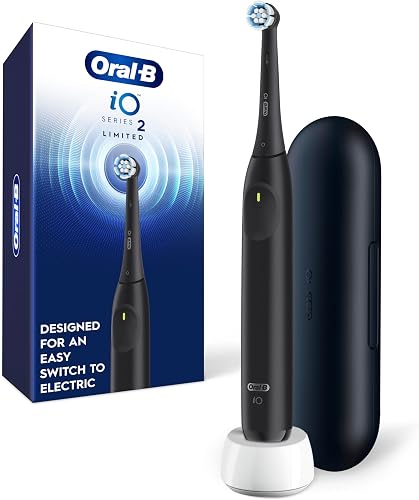
- 3 cleaning modes
- Automatic pressure sensor
- 2-minute timer with 30-second alerts
- Travel case
Choose the Series 2 if a change in brush speed would help you notice excess pressure. It pairs automatic slowdown with zone timing for a straightforward routine.
Pros
- Automatically slows down under excess pressure
- Red pressure warning
- 30-second zone alerts
- Includes a travel case
Cons
- Automatic slowdown doesn't replace easing your grip
- Choose the iO5 if you want app guidance
That difference matters if you tend to ignore visual cues while concentrating on brushing. A change in speed provides another signal to adjust your hand.
You still need to ease off when the brush responds. Automatic slowdown doesn't make firm scrubbing a good technique.
The Series 2 also provides timed zone alerts and comes with a travel case. Choose between it and the Series 3 based on the pressure response you'd find easier to follow.
For more choices within the brand, see the best Oral-B electric toothbrushes. Our Oral-B iO vs Pro 1000 comparison covers another route if you're deciding how much of the iO feature set you need.
How should you set up the Series 3?
Follow the supplied instructions for charging and fitting the head, then choose a comfortable mode before settling into a regular routine. Give the handle and its controls a look before your first brushing session.
Use the charging equipment specified for your handle and keep the charging area dry. Our guide to charging an electric toothbrush explains the basic setup checks.
Fit the head as directed without forcing it. If you need help with the attachment steps, see how to change an Oral-B brush head.
Put toothpaste on the head and position it against your teeth before turning the brush on. This helps keep toothpaste from scattering around the sink.
Pick a starting point you'll remember, such as the outer surfaces of your upper teeth. Following the same route makes it easier to return to a missed area if you're interrupted.
How do you use the timer and pressure feedback well?
Use the timer to divide your attention, and use pressure feedback to adjust your grip. Neither cue replaces moving the head across all the surfaces you need to clean.
Work through one quarter of your mouth at a time. Within that area, move slowly across the outer, inner and chewing surfaces rather than spending the whole interval on the easiest side.
Let the head do the brushing motion while your hand guides its position. A tight grip can encourage you to press harder, especially around back teeth.
When a pressure warning appears, reduce the force against your teeth. Don't simply move to another spot while keeping the same heavy grip.
Pay attention to the inner surfaces behind your front teeth and the sides of your back teeth. These areas are easy to rush when you're watching the clock instead of following a route.
If you miss an area, return to it deliberately. Finishing the timed session tells you how long you've brushed, not whether you've reached every surface.
Which brush heads should you buy, and how do you care for them?
Buy Oral-B iO replacement heads for the Series 3, and check compatibility before stocking up. The Oral-B name alone isn't enough to identify the right refill family.
Our guide to Oral-B and Sonicare replacement head fit explains what to check. Choosing the right family first avoids buying a pack that doesn't fit your handle.
Oral-B recommends replacing the head every 3 months or sooner if worn. The refill change alert is a useful reminder, but visible wear can mean you need a replacement earlier.
Inspect the bristles between reminders. Splayed bristles are also a reason to review how firmly you're pressing rather than treating early wear as only a refill problem.
After brushing, rinse the head and remove toothpaste residue according to the care instructions. Let cleaned parts air-dry before putting them away.
Wipe residue from the handle and keep the area around the head connection clean as directed. A regular rinse is easier than removing dried buildup later.
For a fuller care routine, see how to clean an electric toothbrush. Don't use harsh cleaners or cleaning methods that the supplied instructions don't allow.
What mistakes should you avoid before buying?
Avoid choosing by mode count alone or assuming any Oral-B refill will fit. Your brushing habits and willingness to use guidance matter more than having the longest feature list.
Don't compare the brands' plaque-removal percentages as though they directly rank these 3 handles. Those claims concern comparisons with manual brushes and don't guarantee a head-to-head result between these models.
Don't assume Whitening mode promises a particular shade change. Buy for the routine and feedback you need, rather than an expected cosmetic result.
Don't treat pressure feedback as permission to scrub until a warning appears. Start with gentle contact and use the sensor to refine your technique.
For travel, think about drying and packing as well as the case. Let the brush head dry before closing it away, and plan charging around your trip instead of assuming a case solves every travel need.
Frequently asked questions about the Series 3
The Series 3's case, timer and refill reminders support ordinary daily use. These details help you plan trips, choose a routine and keep the head in good condition.
Does the Oral-B iO Series 3 have a travel case?
Yes, the Oral-B iO Series 3 includes a travel case, which gives you a dedicated place to pack the brush. If trips are your main reason for buying, compare your charging and packing needs in our guide to electric toothbrushes for travel.
How many cleaning modes does the Oral-B iO Series 3 have?
The Oral-B iO Series 3 has Daily Clean, Sensitive and Whitening modes, so you can choose a setting that suits your routine. Pick one that feels comfortable and spend your attention on coverage and gentle contact, rather than switching settings repeatedly during the same brushing session.
How long should you brush with the Oral-B iO Series 3?
Use the Series 3's 2-minute timer as the framework for your brushing session, moving to another quarter of your mouth at each interval. Within each quarter, cover the outer, inner and chewing surfaces so you don't spend the full interval brushing only the easiest places to reach.
How do you care for an Oral-B iO Series 3 brush head?
Rinse the head after brushing, let it air-dry, and replace it every 3 months or sooner if worn, following Oral-B's guidance. Check the bristles between reminders and review your brushing pressure if they spread out early, rather than waiting for the refill alert to tell you something has changed.
Should you choose the Oral-B iO Series 3?
Choose the Oral-B iO Series 3 when you want useful cues on the handle and a routine you can repeat without bringing out your phone. Its best buyer will respond to pressure feedback, follow a consistent route and keep up with head replacement.
Choose the iO5 if you want to use app coaching during ordinary brushing sessions. Choose the Series 2 if automatic slowdown is the signal most likely to help you ease a heavy hand.
If you're still weighing other handles, use our guide to the best Oral-B electric toothbrushes to compare the features you'll use each day.
Frequently asked questions
Is the Oral-B iO Series 3 worth considering?
The Oral-B iO Series 3 is worth considering if timing and pressure feedback are your main reasons for switching brushes, especially when you want included refills and a travel case. Choose the iO5 for app coaching, or the Series 2 if automatic slowdown better suits your habits.
What modes does the Oral-B iO Series 3 have?
The Oral-B iO Series 3 has Daily Clean, Sensitive and Whitening modes, giving you a small set of choices without a long settings menu. Start with a comfortable mode and focus on steady coverage; the Whitening name doesn't promise a particular shade change or replace careful brushing.
Does the Oral-B iO Series 3 have a pressure sensor?
Yes, the Oral-B iO Series 3 has a smart pressure sensor that indicates optimal pressure and warns when you press too hard. Use the feedback to loosen your grip and guide the head gently around each tooth, rather than pushing harder to try to finish a difficult area.
Which brush heads fit the Oral-B iO Series 3?
The Oral-B iO Series 3 uses Oral-B iO replacement heads, so choose refills marked for the iO family rather than relying on the brand name alone. Our guide to Oral-B and Sonicare brush head fit explains the compatibility checks to make before you order a replacement pack.