Sonic Toothbrush vs Oscillating Electric Toothbrush: Which Is Better? (November 2026)
For sonic toothbrush vs oscillating, choose the Sonicare 4100 for a gradual start with sonic action, the Oral-B Pro 1000 for tooth-by-tooth brushing, or the iO Series 3 for clearer pressure guidance.
On this page (11 sections)
- Sonic toothbrush vs oscillating: what changes in use?
- Who should choose the Sonicare 4100?
- Who should choose the Oral-B Pro 1000?
- Who should choose the Oral-B iO Series 3?
- How do the pressure features compare?
- How should you set up either brush?
- How do you cover every tooth within the timer?
- How should you choose and care for replacement heads?
- What matters if you travel or share a bathroom?
- Which mistakes should you avoid with either style?
- Sonic toothbrush vs oscillating: which should you buy?
Choose a sonic toothbrush for slow guidance along your teeth, or a round oscillating brush if you prefer cleaning one tooth at a time. In this sonic toothbrush vs oscillating comparison, the deciding factors are head placement, pressure feedback and the routine you'll follow every day.
The Sonicare 4100 suits a first move into sonic brushing. The Oral-B Pro 1000 suits a tooth-by-tooth routine, while the Oral-B iO Series 3 adds guidance on appropriate pressure.
Start with the action you can use comfortably, then check replacement heads and charging needs. Extra modes matter less if your main challenge is reaching every surface without pressing hard.


Sonic toothbrush vs oscillating: what changes in use?
The main difference is how the head moves and how you guide it. Sonic brushing uses rapid vibration, while an oscillating head turns back and forth rather than spinning continuously in one direction.
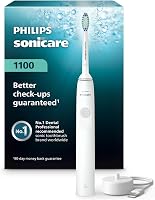
The Sonicare 4100 uses Advanced Sonic Technology with a C2 Optimal Plaque head. Philips Sonicare says its action pulses fluid between teeth and along the gumline.
The Oral-B Pro 1000 combines oscillation, rotation and pulsation in a round CrossAction head. Its bristles are angled at 16 degrees, and you guide that head around each tooth.
The Oral-B iO Series 3 combines oscillations with gentle micro-vibrations. It belongs on the round-head side of this comparison, even though vibration is part of its action.
Sonic vs oscillating: which technique feels more natural?
Choose slow guidance with either style, then adjust your movements to the head. A sonic brush generally moves along the tooth surfaces in small, controlled movements, while a round oscillating head calls for deliberate attention to individual teeth.
If you rush along a whole row, the tooth-by-tooth approach can give you a clearer sequence to follow. If moving between individual teeth feels awkward, you may prefer guiding a sonic head along each section.
Neither approach calls for forceful back-and-forth scrubbing. Let the powered motion work while you control placement, pressure and coverage.
Who should choose the Sonicare 4100?
The Sonicare 4100 fits new sonic users who want time to adjust to the sensation. Its EasyStart feature gradually increases brushing power over the first 14 uses.
That gradual introduction is useful if a full-power electric brush feels unfamiliar at first. Keep your hand relaxed and focus on positioning rather than trying to create a strong scrubbing sensation.
Its included C2 Optimal Plaque head has soft, flexible bristles. The head replacement reminder tracks how often and how hard you brush, giving you a prompt to maintain the brush instead of relying on memory alone.
Choose this model if you want a daily sonic routine with help getting started. It also makes sense if you prefer a handle reminder when you press too hard, as explained below.
Skip it if your main goal is a round head that you can work around each tooth. Also choose another option if you specifically want feedback that identifies appropriate pressure, rather than only warning about excess force.
For other handles with this action, compare sonic toothbrushes by brushing style and features.
Who should choose the Oral-B Pro 1000?
The Oral-B Pro 1000 suits people who want a clear tooth-by-tooth routine. Its round head gives you a practical way to focus on the front, back and chewing surface of each tooth before moving on.
This approach is useful if you tend to sweep quickly across the front teeth and miss the inside surfaces. Build a repeatable route around your mouth rather than changing direction at random.
The brush offers 3 cleaning modes, including a sensitive mode. Choose the setting that lets you guide the head carefully without clenching your grip or rushing through the session.
Its LED charge indicator signals when charging is needed. That suits a routine where you respond to the handle's charge cue rather than trying to remember a fixed charging day.
Skip the Pro 1000 if you want a sensor that tells you when pressure is appropriate. Its pressure control responds to excess force, while the iO option gives that extra guidance.
If you already have spare heads at home, confirm their compatibility before choosing this handle. Being from the same brand doesn't make every head interchangeable.
Who should choose the Oral-B iO Series 3?
The Oral-B iO Series 3 suits people who need clearer pressure feedback. It indicates optimal cleaning pressure and warns when you're pressing too hard, giving you a target as well as a warning.
That distinction matters if you aren't sure how light your grip should be. Use the feedback to learn a steadier hand rather than repeatedly pressing until the warning appears.
Its 3 modes are Daily Clean, Sensitive and Whitening. Pick a comfortable everyday mode, then focus on careful coverage instead of changing modes to compensate for missed areas.
The package includes 2 replacement brush heads and a travel case. The case is useful if you regularly carry your brush between home and another location and want a dedicated place to pack it.
Skip this model if you want to keep using spare heads from another Oral-B family. It requires compatible iO heads, so include that change in your buying decision.
It also adds little to your routine if you're already comfortable with light pressure and mainly want a straightforward round-head brush. In that situation, the Pro 1000 is the more direct fit.
How do the pressure features compare?
Choose the pressure signal you can recognize and respond to. All 3 handles provide feedback, but they communicate excess force differently.
| Brush | Pressure response | What you should do |
|---|---|---|
| Sonicare 4100 | Handle pulses slightly when pressure is too high | Relax your grip and reduce force |
| Oral-B Pro 1000 | Stops brush pulsations when you press too hard | Ease off instead of pushing to restore the sensation |
| Oral-B iO Series 3 | Indicates optimal pressure and warns of excess pressure | Use the appropriate-pressure cue to guide your hand |
A pressure signal helps most when it changes your behavior. Hold the handle gently enough that you can make small adjustments without forcing the bristles against your teeth.
Avoid treating stronger sensation as proof of better cleaning. If you keep triggering a warning, pause and reset your grip rather than finishing the session with the same force.
Persistent soreness or bleeding deserves advice from a dental professional. Switching motion or selecting a sensitive mode shouldn't become a way to ignore ongoing discomfort.
How should you set up either brush?
Start with the correct head, the charging instructions and a planned brushing route. A few minutes of setup makes the controls easier to understand before your first full session.
Fit the head as directed without forcing it, then identify the power button and any mode controls. Learn what the pressure feedback means before the brush is in your mouth.
The Sonicare 4100 includes a USB charger without a power adapter. Check that you have a suitable adapter and follow the supplied charging directions rather than assuming an old toothbrush charger will work.
Use only a charger intended for your handle. Keep the charging area dry, and position the cable where it won't pull the base toward the sink.
Before switching on, place the toothpaste-covered head against your teeth. Turn the brush off before removing it from your mouth to reduce splashes.
For your first sessions, work in the same order each time. A fixed route makes it easier to notice whether you're skipping the inside of the lower teeth or the far side of the back molars.
How do you cover every tooth within the timer?
Use the timer to divide your attention, then follow a route within each section. All 3 brushes support a 2-minute routine with 30-second quadrant pacing.
Think of your mouth as upper right, upper left, lower right and lower left. Within each area, cover the outside, inside and chewing surfaces before moving when prompted.
Don't spend the whole interval on the easiest surface to reach. Slow down enough to place the bristles where they belong, especially behind the front teeth and around the back teeth.
Keep the head against the teeth with light pressure rather than bouncing quickly between spots. Open or relax your mouth as needed to improve access instead of pushing the handle harder into position.
The Sonicare uses SmarTimer and QuadPacer, the Pro 1000 has in-handle timing alerts, and the iO has a Light Ring Timer with quadrant pacing. If prompts are your main buying priority, compare electric toothbrushes with timers.
A timer measures time, not complete coverage. Follow any individual brushing advice from your dental professional, and keep cleaning between your teeth as part of your routine.
How should you choose and care for replacement heads?
Buy heads that fit the exact handle family, then keep them clean and able to dry. Head shape and brand name alone aren't enough to confirm a match.
Start with our guide to which Oral-B and Sonicare heads fit each handle. Check the full compatibility information before ordering a multipack, especially when moving into the iO system.
Include refills in your buying plan before committing to a handle. A brush is easier to maintain when compatible heads are easy for you to find and you keep a spare ready.
Rinse the head after brushing and remove toothpaste residue from the handle as the instructions allow. Let the head air-dry rather than closing it away while wet.
Clean around the head connection regularly so residue doesn't build up there. Our guide to cleaning an electric toothbrush covers the care routine in more detail.
Replace a head when its bristles are worn, even if a reminder hasn't appeared. Read how often to replace an electric toothbrush head for help judging wear and keeping track of changes.
What matters if you travel or share a bathroom?
For travel, prioritize charging plans, drying and head storage over the motion label. For a shared bathroom, give each person their own clearly identifiable brush head.
The Sonicare 4100 provides up to 14 days of regular brushing per full charge. Philips bases that figure on 2 daily sessions of 2 minutes each, so plan around your actual use.
The iO Series 3 includes a travel case, which helps organize the handle and heads. Dry the brush before packing it, and unpack it to air-dry when you reach your destination.
Don't assume a case can charge a handle unless that function is specifically provided. Pack the correct charger when your trip requires it, and check the charging instructions before using a different power source.
If several people use compatible handles, keep heads separate and easy to tell apart. Sharing a handle should never mean sharing the same brush head.
Which mistakes should you avoid with either style?
Avoid hard scrubbing, rushed coverage and careless refill buying. These habits can undermine a useful handle regardless of its cleaning motion.
- Pressing for a stronger feeling: Reduce force when prompted and let the powered head move.
- Using the timer as proof of coverage: Follow the same route through all tooth surfaces each session.
- Choosing by mode count alone: A mode helps only if it makes careful daily brushing easier for you.
- Buying heads by appearance: Check the exact handle family before opening a refill pack.
- Keeping a worn head because it still fits: Inspect the bristles rather than waiting only for a reminder.
- Packing a wet brush in a closed case: Give it time to dry whenever practical.
Don't compare the brands' plaque-removal percentages as if they came from a direct contest between these handles. Those claims use manual toothbrushes as the comparison, so they don't settle which powered model you should buy.
Sonic toothbrush vs oscillating: which should you buy?
Choose the Sonicare 4100 for a gradual introduction to sonic brushing, the Pro 1000 for a deliberate tooth-by-tooth routine, or the iO Series 3 when learning appropriate pressure is your priority.
If you're replacing an electric brush that already suits you, let the specific problem drive the change. Better pressure guidance, easier head placement or more convenient packing is a clearer reason to switch than wanting a different motion alone.
For sonic toothbrush vs oscillating, make your final check practical: confirm the heads, understand the pressure cue and picture your daily brushing route. Then choose the handle that supports that routine.
For a wider brand comparison, read Oral-B vs Sonicare: which brand should you buy?. To compare other handle features, use our guide to choosing an electric toothbrush or browse the best electric toothbrushes for adults.
Frequently asked questions
Is a sonic toothbrush better than an oscillating toothbrush?
Choose by brushing technique and useful feedback rather than motion alone: a sonic brush suits slow guidance along the teeth, while a round oscillating head suits a tooth-by-tooth approach. The better choice for your routine is the one you can position carefully, use with light pressure and keep supplied with compatible heads.
Do sonic toothbrushes use a round brush head?
The word sonic describes cleaning motion, so it isn't a reliable guide to head shape or refill compatibility. The Sonicare 4100 includes a C2 Optimal Plaque head, while both Oral-B models here use round heads; choose replacement heads by the exact handle family rather than appearance.
How should you brush with an oscillating toothbrush?
Guide the round head slowly around each tooth, covering the outside, inside and chewing surfaces with light pressure. Follow your handle's instructions and use its quadrant prompts to share time across your mouth, rather than making fast scrubbing strokes or spending most of the session on the front teeth.
Which toothbrush is gentler on gums?
Choose a brush whose pressure feedback you understand and whose motion feels comfortable enough for careful daily use. The iO Series 3 indicates optimal pressure as well as excess force, but no sensor replaces light pressure; ask a dental professional about persistent soreness, bleeding or discomfort rather than simply changing modes.
Can you switch from a sonic brush to an oscillating one?
Yes, but learn the new head placement and pressure signals instead of carrying over your old movements unchanged. Start with the instructions, guide the head slowly and check refill compatibility before buying, since changing handle families can also mean replacing the spare heads you keep at home.