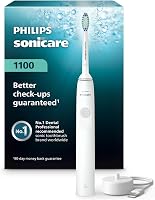
Best Electric Toothbrushes for Adults
The best electric toothbrush for most adults is the Oral-B Pro 1000, with pressure control and useful timing cues for everyday brushing. Choose Sonicare 5950 for adjustable intensity, Oral-B iO Series 3 for optimal-pressure guidance, or Sonicare 4100 for a gradual introduction to sonic brushing.
On this page (11 sections)
- Which electric toothbrush is best for adults?
- What are the best electric toothbrushes for adults?
- How do the electric toothbrush picks compare?
- Should you choose Sonicare or Oral-B?
- Which features deserve your attention before you buy?
- How should you choose replacement heads?
- How do you set up a new electric toothbrush?
- How should you use an electric toothbrush each day?
- How do you clean and care for the brush?
- Which buying and brushing mistakes should you avoid?
- Which electric toothbrush should you choose?
The best electric toothbrush for most adults is the Oral-B Pro 1000, because its pressure control and timing cues cover the daily basics. Choose another model when adjustable intensity, more detailed pressure guidance or a gradual start matters more to you.
BrighterRoom compared these 4 brushes by their cleaning motion, controls, replacement heads and charging needs. The strongest choice is the one that helps you brush carefully and that you can keep supplied with the right heads.
Which electric toothbrush is best for adults?
Choose Oral-B Pro 1000 for a daily routine, Sonicare 5950 for control over intensity, Oral-B iO Series 3 for pressure guidance, or Sonicare 4100 for EasyStart. Your main reason to switch should decide which one you buy.
If you're replacing a manual brush, start by identifying the habit you want help with. Rushing, pressing hard and finding powered brushing unfamiliar are different problems, so they call for different features.
For someone who rushes, a clear pacing cue matters more than extra modes. For someone who finds brushing power overwhelming, being able to adjust or gradually build that power has more value.
Replacement heads deserve a place in this first decision, too. A handle can stay in your bathroom for a long time, while heads are a recurring part of keeping it useful.
For a closer look at each brand's range, see our best Oral-B electric toothbrushes and best Philips Sonicare toothbrushes guides.
What are the best electric toothbrushes for adults?
Oral-B Pro 1000 leads these picks, followed by Sonicare 5950, Oral-B iO Series 3 and Sonicare 4100. Start with the top pick, then move down only when another model solves a more specific need.
Oral-B Pro 1000: best electric toothbrush for daily routines
Oral-B Pro 1000 suits adults who want useful brushing cues without making adjustable intensity their main priority. Its round head uses oscillating, rotating and pulsating motion, with 3 cleaning modes, including a sensitive mode.
The pressure control automatically stops pulsations when you press too hard. That gives you a reason to ease your grip rather than keep scrubbing through the session.
An LED charge indicator tells you when the handle needs charging. This is useful if you'd rather respond to a charge signal than remember how many days have passed.
Best for daily brushing. Choose it if you want a round-head brush and expect to use the basic routine most days.
The main buying reason is practical: it combines help with timing and excess pressure in one handle. You don't need to plan a different mode for every session to get value from those features.
Skip it if adjustable intensity is your priority, or if you specifically want feedback that shows optimal pressure. Sonicare 5950 and Oral-B iO Series 3 serve those needs more directly.
If you're buying for a shared bathroom, work out where the handle and separate heads will dry before ordering. Bathroom space and an easy refill routine matter more than collecting settings you won't use.
Sonicare 5950: control over brushing intensity
Sonicare 5950 suits adults who want to choose how strong brushing feels. Its Clean and Gum Health modes pair with 3 intensity levels, creating 6 settings.
A haptic pressure alert tells you when to ease up. BrushPacer prompts a new area every 20 seconds, while SmartTimer marks the end of a 2-minute session.
The set includes 2 brush heads and a travel case. Philips Sonicare says a full charge provides up to 21 days of regular brushing.
Best for adjustable comfort. Choose it if you want to set the intensity yourself and keep that choice available as your preferences change.
This is the clearest fit for someone who already knows a single fixed brushing feel won't suit them. It also makes sense if you want a case included rather than sorting out storage separately.
The extra controls are useful only if you'll use them with a purpose. Start with one comfortable setting and learn the pacing before changing several things at once.
Skip it if you want a gradual automatic introduction rather than choosing an intensity yourself. Sonicare 4100's EasyStart is aimed more directly at that transition.
A Gum Health mode is a brushing option, not a reason to ignore ongoing discomfort. Choose the handle for its controls rather than treating a mode name as a promise about your gums.
Oral-B iO Series 3: guidance on brushing pressure
Oral-B iO Series 3 suits adults who want feedback about both excessive and optimal pressure. Its round head combines oscillations with gentle micro-vibrations.
Daily Clean, Sensitive and Whitening modes give you distinct routine choices. A light ring timer marks 2 minutes, with quadrant prompts every 30 seconds.
The included travel case and 2 replacement heads make the bundle useful for someone starting with the iO system. Future refills need to match that handle family.
Best for pressure guidance. Choose it if your main goal is learning how much pressure to apply, rather than just receiving an alert after pressing too hard.
That distinction matters for people who respond to an excess-pressure warning by barely touching their teeth. Feedback about the intended pressure range offers a clearer target than guessing between hard scrubbing and almost no contact.
The iO head system should be part of your buying decision from the start. If you already have spare Oral-B heads, confirm their exact compatibility before counting them toward your refill supply.
Skip it if you want to keep using non-iO Oral-B refills, unless those heads are specifically compatible. Also choose Sonicare 5950 instead if separate intensity levels are the feature you want most.
The Whitening mode shouldn't be the deciding factor if your real priority is pressure control. Buy for the feature that changes your daily technique, then treat the other modes as optional choices.
Sonicare 4100: a gradual start with sonic brushing
Sonicare 4100 suits adults who want help getting used to powered brushing. EasyStart gradually increases power over the first 14 uses.
Its pressure sensor pulses the handle when you press too hard. QuadPacer provides 30-second section cues, while SmarTimer marks a 2-minute session.
The set includes a C2 Optimal Plaque head and a USB charger, with a power adapter required separately. Philips Sonicare bases its battery duration on 2 daily 2-minute sessions in standard mode.
Best for first-time sonic users. Choose it if your main concern is adjusting to the sensation of a powered brush.
EasyStart makes sense when you want the introduction handled gradually rather than deciding between several intensity settings. Once you're familiar with the routine, focus on head placement and coverage instead of chasing a stronger sensation.
The charger detail deserves attention before the brush arrives. Make sure you have a suitable power source so a missing adapter doesn't interrupt setup.
Skip it if you want to choose intensity levels yourself, or if an included travel case is a firm requirement. Sonicare 5950 better matches those priorities.
Don't choose solely by the number of accessories in the box. A smaller starting kit can still fit your routine if you already have suitable charging space and a plan for replacement heads.
How do the electric toothbrush picks compare?
The main differences are brushing motion, pressure feedback and controls. Use the table to identify the feature that changes your choice, rather than counting how many extras each brush has.
| Toothbrush | Score | Brush style | Pressure feature | Timer cues | Notable extras |
|---|---|---|---|---|---|
| Oral-B Pro 1000 | 9 | Round head with oscillating, rotating and pulsating motion | Stops pulsations when you press too hard | 30-second zone alerts; 2-minute timer | 3 modes; LED charge indicator |
| Sonicare 5950 | 8.8 | Sonic technology with fluid action | Haptic alert for excess pressure | 20-second BrushPacer; 2-minute SmartTimer | 2 modes; 3 intensity levels; 2 heads; travel case |
| Oral-B iO Series 3 | 8.6 | Round head with oscillations and micro-vibrations | Indicates optimal and excess pressure | 30-second quadrant prompts; 2-minute light ring timer | 3 modes; 2 replacement heads; travel case |
| Sonicare 4100 | 8.4 | Sonic technology with fluid action | Handle pulses under excess pressure | 30-second QuadPacer; 2-minute SmarTimer | EasyStart; 1 head; USB charger without power adapter |
The scores put the brushes in order for a broad adult audience. A lower-ranked brush is still the better buy when its main feature matches the reason you're changing brushes.
Avoid using the brands' plaque-removal percentages to rank these models against one another. Those claims compare brushes with manual brushing and do not guarantee a direct result between all 4 picks.
Should you choose Sonicare or Oral-B?
Choose Sonicare if you prefer sonic brushing, or Oral-B if you want a round head that you guide around individual teeth. Then decide which handle's feedback and controls fit you.
With a round head, think about placing the bristles around each tooth and moving on in a clear order. With an elongated sonic head, guide it slowly along the tooth surfaces rather than using a fast manual scrubbing motion.
Neither approach removes the need to reach the inside surfaces and back teeth. The motion you find easier to guide is more useful than a brand preference based only on advertising.
If you're replacing an existing handle, familiar controls and compatible refills may make staying with the same system easier. Check the exact model family before assuming your current accessories will carry over.
For a fuller brand comparison, read Oral-B vs Sonicare: which brand should you buy?. If you want to compare the cleaning motions themselves, see our guide to sonic vs oscillating electric toothbrushes.
Which features deserve your attention before you buy?
Prioritize comfortable control, clear feedback and replacement heads before extra modes. Choose each feature to solve a specific problem in your routine.
Pressure feedback you can act on
Pressure feedback is useful when it changes what you do next. When a brush warns you, relax your grip and reduce force rather than lifting the head away and continuing to rush.
A sensor can't tell you whether you've reached every surface. Treat pressure and coverage as separate tasks: keep contact gentle, then follow a steady route around your mouth.
Modes versus intensity levels
A mode and an intensity level aren't the same buying feature. Modes offer different brushing programs, while intensity levels let you choose the strength within the available settings.
If strong vibration is your concern, look for a way to adjust or gradually build power. An extra mode with an appealing name may not solve that specific issue.
If you want the simplest routine, decide which default setting you'll use before paying attention to the others. A brush doesn't become a better fit merely because its menu is longer.
Pacing that matches your brushing route
Area prompts are most helpful when you've decided where to move at each cue. Plan a route that includes outer, inner and chewing surfaces instead of treating the timer as permission to stop thinking.
With 30-second cues, divide your mouth into 4 sections. With 20-second cues, follow the handle's instructions for its area sequence rather than using the same 4-section plan.
For more help comparing these cues, see our electric toothbrushes with a timer guide.
Charging that fits your bathroom
Choose a charging setup you can use without moving it between rooms or borrowing another device's cable every time. Check the required power source and leave a dry, stable place for the charger.
Battery duration matters most when charging is inconvenient or you're away from home. Don't infer a precise runtime for either Oral-B pick from a general description of a long-lasting battery.
For occasional travel, a reliable charging plan may be enough. For frequent trips, consider the case, available power source and space in your bag together.
How should you choose replacement heads?
Choose heads made for the exact handle family, then pick the bristle style you prefer within that compatible range. Brand name alone isn't enough to establish a fit.
Oral-B iO heads belong to a distinct system, so don't assume a refill for another Oral-B handle fits. Keep the full handle name in your shopping notes to avoid buying by appearance.
Check replacement head compatibility before choosing a refill pack. Our guide to which brush heads fit Oral-B and Sonicare handles explains the main differences.
Think beyond the first head in the box. Before choosing a handle, make sure you can find the correct refills in a pack size you're comfortable keeping at home.
If several people share a handle, each person needs a separate head. Choose a clear way to tell heads apart and allow space for them to dry between uses.
A replacement reminder is useful, but visible wear still matters. Bent, spread or damaged bristles are a reason to change the head rather than wait for the handle to prompt you.
How do you set up a new electric toothbrush?
Read the handle's instructions, charge it as directed and fit the correct head before your first session. Learn the controls before brushing so you don't spend the session trying to change settings.
Set up the charger and handle
Check what connects to the power source and which charging equipment belongs with the handle. Don't assume a charger from an older brush is suitable because the base looks similar.
Place the charger where it won't sit in pooled water. Follow the instructions for the initial charge rather than treating an advertised battery duration as a charging-time guide.
For help weighing those details, use our electric toothbrush choosing guide. If charging is your main concern, read how to charge an electric toothbrush.
Learn the controls before adding toothpaste
Identify the power button, mode control and any intensity adjustment your handle provides. Knowing how to switch it off also makes the first session less awkward.
Fit the head according to its instructions without forcing it. If it won't seat correctly, confirm compatibility and alignment rather than pushing harder.
Keep the first routine simple
Start with the recommended basic routine for your handle and a comfortable setting. Change one control at a time so you can tell what makes brushing easier.
Put the head in your mouth before switching it on to reduce splatter. Turn it off before removing it, then rinse the head and handle as directed.
How should you use an electric toothbrush each day?
Guide the head slowly and let its powered motion do the work. Follow a repeatable route so the same easy-to-reach teeth don't receive most of your attention.
Cover surfaces in a fixed order
Begin in one section and work through the outer, inner and chewing surfaces. Move methodically to the next section when prompted rather than jumping between whichever teeth come to mind.
Pay attention to the backs of the last teeth and the inner surfaces near the front. These areas are easy to miss when you focus only on the surfaces visible in the mirror.
Keep pressure steady and light
Hold the handle securely without squeezing it in a fist. If you repeatedly trigger the pressure warning, slow down and work on grip before changing the mode.
More force isn't a substitute for careful placement. Avoid scrubbing sideways as if you're trying to make a manual brush move faster.
Treat the timer as a guide to coverage
A completed timer means the session time has elapsed, not that every surface received equal attention. If you spent most of it in one place, adjust your route during the next session.
Try learning the pacing while watching a mirror until the sequence feels familiar. Once the route is established, the prompts become reminders rather than instructions you have to interpret each time.
Keep other parts of oral care separate
A powered brush doesn't replace cleaning between teeth. Keep your usual interdental routine and any individual instructions from your dental professional.
For ongoing pain, bleeding or gum concerns, ask a dental professional for advice. Don't try to solve a persistent problem by pressing harder or repeatedly switching modes.
How do you clean and care for the brush?
Rinse away toothpaste, let the head dry and follow the handle's care instructions. A simple daily routine helps prevent residue from building up around the head connection and charging area.
After brushing, remove the head when the instructions direct you to do so. Rinse the parts as permitted and wipe away toothpaste around the connection without using force or sharp tools.
Store the head where air can reach it. Avoid closing a wet head inside a travel case for long periods when it could be left out to dry.
Wipe the charger with the power disconnected and use the cleaning method in its instructions. Don't assume equipment that tolerates bathroom splashes can be soaked.
Keep a spare compatible head available so replacement doesn't depend on your next shopping trip. Note when you start using a new head if you find reminders easy to overlook.
For a step-by-step routine, read how to clean an electric toothbrush. Gentle, regular cleaning is easier than trying to scrape away dried toothpaste later.
Which buying and brushing mistakes should you avoid?
Avoid buying for unused extras and brushing as if the head were manual. Most poor matches come from overlooking daily use rather than missing a particular premium feature.
Buying more controls without a reason
Name the setting you expect to use and why. If you can't explain how another option will help, give more weight to head compatibility, charging and the controls you already understand.
Included accessories should solve a real need, too. A travel case is useful for a bag, but it shouldn't outweigh the brushing feel you prefer every morning and evening.
Choosing by an advertised cleaning percentage
Don't treat a larger plaque-removal claim as a direct comparison between these brushes. Choose from the supported differences in controls, motion and feedback instead.
The useful buying question is how a handle will help your own routine. A headline percentage won't tell you whether you'll remember the inner surfaces or respond to a pressure cue.
Rushing through the pacing signals
Moving to a new section early can leave gaps even when you finish at the timer. Staying in one section too long can produce the same problem elsewhere.
If a pacing plan feels confusing, practice the route before worrying about optional modes. Consistency is easier when each cue has a clear next step.
Buying incompatible refills in bulk
Confirm the exact head family before stocking up. A similar connector shape or familiar brand name shouldn't replace a compatibility check.
Keep the packaging or model name from a head you know fits. That gives you a reliable reference when buying refills later.
Treating a case as wet storage
A case protects the brush during transport, but drying still needs attention. If you must pack immediately after brushing, unpack it and allow it to dry when practical.
For travel, also plan how you'll charge at your destination. A long battery claim is useful, but it doesn't remove the need to check your charge before leaving.
Which electric toothbrush should you choose?
Choose the best electric toothbrush for the habit you want help with, then confirm the refill and charging details. Use this decision order to settle on one model.
- Choose Oral-B Pro 1000 if you want a daily round-head brush and have no strong reason to prioritize another model's main feature.
- Choose Sonicare 5950 if choosing your own intensity is essential to a comfortable routine.
- Choose Oral-B iO Series 3 if guidance toward optimal pressure is the feature most likely to change how you brush.
- Choose Sonicare 4100 if you want a gradual introduction to sonic brushing and already have a suitable charging plan.
Before ordering, write down the compatible head family and where the charger will sit. Those 2 small checks make the brush easier to keep using after the first head wears out.
Compare the best Oral-B options or best Sonicare options if you've settled on a brand and want to narrow the choice further.
Frequently asked questions
Which electric toothbrush is best for most adults?
The Oral-B Pro 1000 is our top pick for most adults because its pressure control and timing cues support a consistent daily routine. Choose Sonicare 5950 for adjustable intensity, Oral-B iO Series 3 for optimal-pressure guidance, or Sonicare 4100 if you want brushing power to build gradually.
Is Sonicare or Oral-B better?
Choose Sonicare if you prefer sonic brushing with an elongated head, or Oral-B if you prefer guiding a round head from tooth to tooth. Among these picks, the more useful differences are adjustable intensity, the type of pressure feedback and which replacement heads you'll need to keep buying.
Do electric toothbrushes have pressure sensors?
All 4 brushes here include pressure sensors, with different ways to tell you to ease up: the Sonicare handles pulse, while Oral-B Pro 1000 stops pulsations. Oral-B iO Series 3 also indicates optimal pressure, making it the clearest choice here if pressure guidance is your main buying reason.
How often should I replace an electric toothbrush head?
Replace the head according to its instructions, and change it sooner if the bristles become worn; Oral-B specifies every 3 months for these brushes. Both Sonicare picks have replacement reminders, and our guide to how often to replace an electric toothbrush head explains when visible wear should override a reminder.
Can I take an electric toothbrush on a plane?
Check your airline and the relevant aviation authority's battery rules before deciding where to pack your rechargeable toothbrush. A travel case protects the handle during transport, while our electric toothbrush air travel guide helps you work through packing questions before departure, including how to plan for charging away from home.