Can You Take an Electric Toothbrush on a Plane?
Yes, you can take an electric toothbrush on a plane, subject to battery and airline rules. Carry-on is the practical first choice; in checked baggage, switch it fully off and protect it from damage and accidental activation, with spare lithium batteries kept in your carry-on.
On this page (9 sections)
- Can you take an electric toothbrush in carry-on luggage?
- Can an electric toothbrush go in checked baggage?
- What should you know about toothbrush batteries on a flight?
- How do you stop an electric toothbrush from turning on in your bag?
- Can you bring an electric toothbrush charger on a plane?
- How should you pack an electric toothbrush for a trip?
- Can you take an electric toothbrush through airport security?
- How do you choose a case without buying more than you need?
- What's the best setup for taking an electric toothbrush on a plane?
Yes, you can take an electric toothbrush on a plane in carry-on or checked luggage, subject to battery and airline rules. Carry-on is the practical first choice because the brush stays accessible if its battery develops a problem.
You usually don't need a new toothbrush for a flight. Start with the brush you already use, then decide whether it needs a protective case or a different charging setup.
Can you take an electric toothbrush in carry-on luggage?
Yes, you can pack an electric toothbrush in your carry-on. Switch it off and keep other items from pressing its power button.
A fitted case helps separate the brush head from toiletries and protects the handle from bumps. Pack it where you can reach it without emptying your bag, especially if you'll brush during a connection.
Taking an electric toothbrush on a plane with extra supplies
Choose the ProCase Electric Toothbrush Case if you want to keep your brush, spare heads, floss, and charging cable together. Its elastic band holds a toothbrush and 2 spare heads, while separate mesh pockets organize small accessories.
The case measures 8.86 x 2.87 x 2.6 in overall and supports standard-sized handles from several Oral-B and Philips Sonicare ranges. Those are exterior measurements, so allow room for the shell and pockets when checking fit.
Skip it if you only need a head cover or already have a fitted case. An organizer earns its bag space when you actually carry the extra supplies.
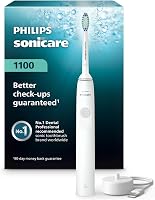
For a smaller brush setup, see our guide to the best electric toothbrushes for travel. The Sonicare 1100 suits someone who needs a rechargeable brush with straightforward timing prompts.
Philips gives its battery life as up to 14 days, based on 2 daily brushing sessions of 2 minutes. Charge it before leaving, but pack the charger if your trip approaches that limit or includes uncertain return dates.
Its EasyStart feature increases power gradually over the first 14 uses, while SmarTimer and QuadPacer guide brushing time and mouth sections. Skip buying it solely for air travel if your current brush already meets your needs.
Can an electric toothbrush go in checked baggage?
An electric toothbrush can usually go in checked baggage with its battery installed. It must be fully off and protected from damage and accidental activation, subject to your airline's rules.
Place the protected handle between soft items, away from heavy objects that could crush it. Don't rely on a loose toiletry bag to keep the button clear.
The FAA's lithium battery guidance explains device and spare-battery requirements. Check your airline too, especially before an international trip with connecting carriers.
If your carry-on is taken at the gate, tell the airline staff about any spare lithium batteries and keep those batteries with you. Moving the toothbrush into your personal bag also keeps it available during delays.
What should you know about toothbrush batteries on a flight?
Leave a built-in battery inside its sealed handle. Only remove a battery if the toothbrush was designed for user replacement and its instructions call for it.
An installed battery and a spare battery have different packing requirements. Spare lithium batteries belong in carry-on luggage, with terminals protected using individual protective packaging or nonconductive tape.
The TSA's electric toothbrush guidance allows electric toothbrushes in carry-on and checked bags. Security officers make the final checkpoint decision, and airline battery restrictions still apply.
If you don't know the battery type, check the manual or ask the manufacturer before departure. Don't fly with a damaged or defective lithium battery, including one inside a toothbrush.
How do you stop an electric toothbrush from turning on in your bag?
Switch it off, use its travel lock if available, and keep pressure off the button. A hard case helps only if its contents don't press against the handle.
Choose the SQERO Electric Toothbrush Case if you want a pink organizer with an elastic band, accessory pockets, and a carabiner. It supports several Oral-B Pro, Oral-B iO, and Philips Sonicare models.
Its water-resistant interior and exterior can be wiped clean. Skip it if you need confirmed room for a bulky charger or several full-size toiletries; check the fit of your exact kit before relying on it.
Load the case before departure and close it gently. If the zipper needs force or the lid pushes against the button, remove an accessory rather than compressing everything inside.
Follow your brush's manual for any travel-lock sequence. Don't assume a long button press activates a lock on every handle.
Can you bring an electric toothbrush charger on a plane?
Yes, a toothbrush charger can go in carry-on or checked luggage. Dry it before packing, coil the cable loosely, and protect its connector from bending.
Before an overseas trip, check the charger's input voltage and the destination's socket type. A plug adapter changes the plug shape; it doesn't convert voltage.
The Sonicare 1100 includes a USB charger without a power adapter. Bring a compatible USB power adapter if needed, and confirm that the full charging setup works before leaving home.
Read how to charge an electric toothbrush for setup help. For storage between trips, see whether you can leave an electric toothbrush on the charger.
Choose the TYSORETY Electric Toothbrush Case if you prefer a hand strap for carrying your kit between your bag and the bathroom. Its hard EVA and PU construction, internal elastic band, and mesh pockets suit a handle with small charging accessories.
Skip it if your original case already holds your complete kit or you need a case that charges the brush. Treat this as protective storage, and confirm that your charger fits without crowding the handle.
How should you pack an electric toothbrush for a trip?
Pack a clean, dry brush with the head protected and the handle secured. Keep toothpaste accessible for any liquids screening required on your route.
Use this packing order:
- Charge the brush early enough to let the charger and handle dry before packing.
- Rinse the head and clean around its connection to the handle.
- Let both parts air-dry, then cover the head or secure it separately.
- Switch the brush fully off and use its travel lock if it has one.
- Place accessories where they can't press the power button.
- Keep spare lithium batteries in carry-on luggage with protected terminals.
Avoid sealing a wet head in the case for the whole trip. If you must pack immediately after brushing, shake off excess water and unpack it to dry when you arrive.
Follow our guide on how to clean an electric toothbrush handle and head between trips. Wipe the case as needed and let its interior dry before closing it again.
For longer travel, bring a spare head that fits your handle. Check which replacement heads fit Oral-B and Sonicare brushes before packing, since head systems aren't interchangeable.
Can you take an electric toothbrush through airport security?
Yes, electric toothbrushes are allowed through US airport security in carry-on baggage. Leave yours packed unless an officer or local screening instructions tell you to remove it.
A toothbrush doesn't count toward your liquid allowance. Toothpaste is treated as a liquid or gel under many airport rules, even when tucked inside a toothbrush case.
Check the requirements for departure, connection, and return airports. Don't assume that a toothpaste tube allowed on one leg will meet every airport's rules.
How do you choose a case without buying more than you need?
Choose by fit, accessory load, and carrying style. All 3 cases here are sold without a toothbrush or accessories, so choose one only if it improves your current packing setup.
Start by laying out the handle, detached head, charger, and any spares you plan to carry. Check usable interior space rather than judging capacity from exterior size or a broad compatibility claim.
Pick ProCase for a kit with spare heads and small oral-care supplies, SQERO for a pink case with a carabiner, or TYSORETY if you prefer a hand strap. Their pockets help organize accessories, but none replaces a travel lock or careful packing.
You can skip a new case if your existing protection keeps the head clean and the handle secure. If you need a new brush for daily use too, compare the best electric toothbrushes for adults before choosing around one trip.
What's the best setup for taking an electric toothbrush on a plane?
Take your current brush in carry-on luggage if it already works well for you. Add a case when you need protection or organized storage, and bring the charger when your trip could exceed the brush's available charge.
Choose the Sonicare 1100 if you need a rechargeable brush with timing prompts and gradual power introduction. For case choices, let the amount of gear and your preferred carrying style decide.
You can take an electric toothbrush on a plane without changing your whole routine. Use our electric toothbrushes for travel guide to compare alternatives, or check how to charge an electric toothbrush before packing for an overseas trip.
Frequently asked questions
Can you take an electric toothbrush in carry-on luggage?
Yes, you can take an electric toothbrush in carry-on luggage, subject to airline battery rules. Switch it off and protect its button from accidental presses; keep spare lithium batteries in the cabin, with each battery's terminals protected from contact with metal or other batteries.
Can an electric toothbrush go in checked baggage?
Usually, yes, an electric toothbrush with its battery installed can go in checked baggage if it meets airline rules. Turn it fully off and protect it from damage and accidental activation; spare lithium batteries belong in carry-on baggage, and damaged or defective lithium batteries must not travel.
Should I remove the battery from my electric toothbrush before flying?
You generally don't need to remove an installed battery from an electric toothbrush that meets airline rules. Don't open a sealed handle; if your brush has a user-removable battery, follow its manual and your airline's instructions, and pack any spare lithium batteries in your carry-on.
Can I bring an electric toothbrush charger on a plane?
Yes, an electric toothbrush charger can go in carry-on or checked luggage. Pack it dry, protect the connector, and check its input voltage before using it abroad; a plug adapter changes the plug shape but doesn't convert voltage, and a USB charger may need a separate power adapter.