Aquasonic vs Sonicare: Which Is Better? (November 2026)
In Aquasonic vs Sonicare, choose Aquasonic for a well-stocked brush-head bundle or Sonicare for pressure feedback. Pick the Sonicare 5950 for adjustable intensity, or the Sonicare 4100 for a gradual introduction to electric brushing.
On this page (11 sections)
- Aquasonic vs Sonicare: which should you choose?
- What does each toothbrush include?
- Which has better brushing guidance?
- Which models help you notice too much pressure?
- How do the brush heads compare?
- How do charging and battery life compare?
- Which one makes more sense for travel?
- Who should buy or skip each model?
- How should you set up and use your new brush?
- What care habits and buying mistakes matter most?
- Aquasonic vs Sonicare: make the final choice
In Aquasonic vs Sonicare, choose Aquasonic for a generous supply of replacement heads, or Sonicare for pressure alerts that help you ease off while brushing. The Sonicare 5950 suits buyers who want adjustable intensity; the 4100 suits those starting an electric routine.
The useful difference is what each brush helps you manage. Aquasonic reduces the need to shop for spare heads soon, while these Sonicare models give more guidance during the session itself.
Choose around the habit you want to improve, then check the charger and accessories. Extra modes won't help much if your real problem is pressing hard or rushing through the back teeth.


Aquasonic vs Sonicare: which should you choose?
Choose Aquasonic for stocking up, the Sonicare 5950 for control over intensity, or the Sonicare 4100 for a gradual move from manual brushing. These recommendations apply to the specific sets here, so compare models rather than assuming every brush from either brand works the same way.
Start with your main priority:
- Fewer replacement-head errands: Aquasonic gives you the largest supply of spares.
- A lighter brushing touch: either Sonicare offers pressure feedback.
- Control over brushing strength: choose the Sonicare 5950.
- Help learning a timed routine: the Sonicare 4100 combines section cues with EasyStart.
If several priorities apply, put brushing guidance ahead of accessories. You can plan for replacement heads or a case separately, but a handle needs to include the feedback you want from the start.
For a brand-level comparison that includes another brush style, see Oral-B vs Sonicare. Our sonic vs oscillating toothbrush guide explains how brush movement changes the way you use the handle.
What does each toothbrush include?
The Aquasonic set is the most fully stocked, while the Sonicare sets focus on different levels of brushing control. Check what you'll need on day one as well as what will need replacing later.
Aquasonic includes 8 DuPont-engineered heads, a wireless charging base and a hard-shell travel case with space for 2 heads. Its 4 modes include options Aquasonic describes for whitening and gum health.
The Sonicare 5950 includes 2 C3 Two-in-one heads and a travel case. Its Clean and Gum Health modes each offer 3 intensity levels, giving you 6 combinations rather than 6 separate modes.
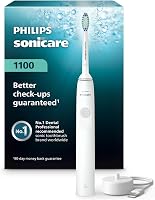
The Sonicare 4100 includes 1 C2 Optimal Plaque head and a USB charger without a power adaptor. A travel case isn't part of this set, so include protection for the handle in your packing plans.
A large bundle is useful only if you want to keep using those heads. Before choosing on quantity alone, check the ongoing availability of compatible replacements and where you'll store the spares.
Which has better brushing guidance?
The Sonicare models give clearer section-by-section prompts, making them better choices if you lose track of where you've brushed. Aquasonic has a smart vibration timer, but choose Sonicare if a specific pacing interval matters to your routine.
The 5950's BrushPacer prompts you every 20 seconds, and its SmartTimer marks a 2-minute session. Follow its area sequence so the shorter intervals help you cover your mouth evenly.
The 4100 pairs a 2-minute SmarTimer with QuadPacer cues every 30 seconds. You can divide your mouth into upper right, upper left, lower right and lower left, giving each quarter equal attention.
Within each section, cover the outer, inner and chewing surfaces. A pacing cue means move to the next area, not spend the whole interval brushing the easiest surfaces to reach.
If timing is your main reason for upgrading, compare electric toothbrushes with timers. Focus on prompts you can follow without needing to watch a clock.
Which models help you notice too much pressure?
Both Sonicare handles alert you when you press too hard, so either is a stronger choice if you tend to scrub. The 5950 gives haptic feedback, while the 4100 pulses slightly to prompt a lighter touch.
Don't choose the Aquasonic Black Series Ultra expecting pressure alerts, because that feature isn't confirmed for this model. Its vibration timer helps with timing rather than warning you about force.
With a powered brush, guide the head slowly instead of adding a fast back-and-forth scrubbing motion. Keep a relaxed grip and enough contact for the bristles to reach the tooth surfaces without forcing them flat.
When a pressure warning occurs, ease your grip and reduce the force before continuing. Moving to another tooth while pressing just as hard misses the purpose of the alert.
Intensity and pressure are separate choices. Turning down a brush's power doesn't replace using a light touch, and a stronger setting isn't a reason to press harder.
How do the brush heads compare?
Choose a head you'll use comfortably and replace on time, then consider how many come in the box. Spare heads help with upkeep, but they don't make a worn head suitable for continued use.
Aquasonic recommends replacing each supplied head after 3–4 months. Keep unused heads clean and dry in their packaging, and treat the bundle as a supply for future changes rather than a reason to delay them.
The 5950's C3 Two-in-one heads combine gumline bristles with stiff, dense bristles. The 4100's C2 Optimal Plaque head has soft, flexible bristles that Philips describes as helping remove surface stains and polish teeth.
Both Sonicare models include replacement reminders. Use those prompts alongside the condition of the bristles, since visible wear is also a reason to change a head.
Confirm the handle model before ordering replacements, rather than relying on a similar-looking connection. Our replacement-head compatibility guide explains fit, and our Sonicare replacement-head guide helps narrow the options.
How do charging and battery life compare?
Aquasonic offers the longest claimed gap between charges, followed by the Sonicare 5950 and then the 4100. Aquasonic claims 4 weeks, while Philips claims up to 21 days for the 5950 and up to 14 days for the 4100.
Aquasonic's estimate and the 4100's estimate use 2-minute sessions twice daily. Plan around your own routine, especially if you brush longer or share a handle using separate heads.
A wireless charging base still needs a power connection. On Aquasonic, “wireless” describes how the handle charges on its base, so you still need a suitable place for that base near an outlet.
For the 4100, check that you have a compatible adaptor for its included USB charger. Confirm the 5950's charging connection before ordering if it must fit an existing travel setup.
Follow the model's instructions for its first charge and charging routine. Our guide to charging an electric toothbrush explains the practical steps without relying on a fixed schedule for every handle.
Which one makes more sense for travel?
Choose Aquasonic for longer trips between charging opportunities, or the 5950 if you want adjustable intensity while away. Both include cases, so you won't need to solve handle protection separately before your first trip.
A case helps keep the brush away from loose toiletries and other items in your bag. Rinse the head and let it dry before packing whenever possible, rather than sealing it away wet after every session.
For a short trip, a full charge may let you leave the charger at home. For a longer stay, bring the correct charging equipment instead of planning to reach the very end of the claimed battery period.
The 4100 still makes sense for occasional travel if you prefer its daily routine. Plan a suitable protective case and remember the adaptor if you'll need to recharge.
Compare electric toothbrushes for travel if packing convenience is your top priority. For flights, our guide to taking an electric toothbrush on a plane covers the packing questions to check before departure.
Who should buy or skip each model?
Buy the model that supports your daily brushing habit, and skip features that won't change how you brush. Accessories are a useful tie-breaker after you've chosen the guidance and controls you need.
Aquasonic vs Sonicare for buyers who want fewer supply errands
Aquasonic suits someone who wants spare heads ready in the cupboard and a case ready for trips. It's also a sensible fit if you already brush with a light touch and don't need a handle to remind you.
Skip it if pressure alerts are a firm requirement. A larger supply of heads won't replace that feature during daily use.
Sonicare 5950 for buyers who want control over intensity
The 5950 suits someone who wants to choose brushing strength rather than rely only on a gradual introduction. Start with a comfortable setting and change one control at a time so you can tell which adjustment helps.
Skip the step up if you'll use the same setting every day and don't need its included travel extras. The 4100 already provides the pressure and timing guidance many buyers want.
Sonicare 4100 for buyers building an electric routine
The 4100 suits a manual-brush user who wants a guided transition. EasyStart increases power over the first 14 uses, giving you time to get used to the sensation.
Skip it if manually adjustable intensity is central to your choice. For other models in the range, see our Philips Sonicare toothbrush guide.
How should you set up and use your new brush?
Learn the controls before your first session, then build a slow, repeatable route around your mouth. That helps you respond to cues without stopping to work out what each button does.
Read the included instructions, charge as directed and fit the head according to the model's guidance. Don't force a head into place if it doesn't fit as expected.
Add toothpaste, place the bristles against your teeth and then switch the handle on to reduce splatter. Guide it slowly along the tooth surfaces and gumline instead of brushing as quickly as you would with a manual brush.
Pay extra attention to the inner surfaces and the backs of the last molars. Follow a consistent order so those less visible areas don't get left until the timer ends.
For the first few sessions, keep the routine simple. Learn the pacing and pressure cues before deciding whether another mode or intensity setting improves your comfort.
An electric brush also doesn't replace cleaning between teeth. Follow your dental professional's advice for that part of your routine and for any specific gum-care needs.
What care habits and buying mistakes matter most?
Keep the head clean, let it dry and replace it when worn, regardless of which handle you choose. Good upkeep matters more than collecting modes you rarely use.
After brushing, rinse away toothpaste residue and clean around the head connection as the instructions direct. Keep the charging area clean and dry, and avoid storing a damp head in a closed case.
Our guide to cleaning an electric toothbrush covers the head, handle and charging area. Make cleaning part of the routine rather than waiting for residue to build up.
Avoid these common buying mistakes:
- Choosing by motor count: Aquasonic quotes vibrations and Philips quotes bristle movements, so don't rank cleaning ability from the larger number.
- Treating a whitening mode as a color guarantee: choose for daily cleaning needs rather than expecting a mode name to promise a particular shade.
- Ignoring replacement fit: confirm compatible heads before stocking up.
- Using pressure alerts as the whole technique: you still need to cover each tooth surface slowly and evenly.
If brushing remains uncomfortable, don't keep changing settings to work around it. Ask your dental professional about technique or persistent discomfort.
Aquasonic vs Sonicare: make the final choice
For Aquasonic vs Sonicare, decide which everyday problem you want the brush to solve. Choose Aquasonic when keeping spare heads on hand matters most, the 5950 when you want adjustable intensity, or the 4100 when you want a guided start.
Use travel extras and charging convenience to break a tie after that decision. A brush that fits your routine is easier to keep using than one chosen mainly for a longer feature list.
If none matches your priorities, use our best electric toothbrushes for adults to compare a wider shortlist.
Frequently asked questions
Is Aquasonic or Sonicare better for a first electric toothbrush?
The Sonicare 4100 is the stronger starting point if you want help changing your brushing habits, because it combines EasyStart with pressure alerts and section cues. Aquasonic suits a beginner who already uses a light touch and places more value on spare heads and a travel case.
Does the Aquasonic Black Series Ultra have a pressure sensor?
Don't choose the Aquasonic Black Series Ultra expecting pressure alerts, because that feature isn't confirmed for this model. Both Sonicare options include a sensor that prompts you to ease off, so choose one of those if reminders about pressing too hard are a main reason for switching brushes.
Which toothbrush includes more brush heads?
The Aquasonic Black Series Ultra includes 8 brush heads, compared with 2 for the Sonicare 5950 and 1 for the Sonicare 4100. That makes Aquasonic the strongest bundle for stocking up, but check replacement-head compatibility and choose a head style you'll want to keep using.
Which one is better for travel?
Aquasonic is the stronger choice for longer gaps between charging, while the Sonicare 5950 suits travelers who want adjustable intensity and pressure feedback. Both include a travel case; leave some battery margin when planning a trip, since your use may differ from the brands' battery-life estimates.
How do the charging options compare?
Aquasonic includes a wireless charging base, while the Sonicare 4100 includes a USB charger without a power adaptor. The Sonicare 5950 is rechargeable; confirm its charging connection before ordering if matching an existing adaptor matters, and use the charging equipment specified for whichever handle you choose.